![Causes of frequent urination in women [the most convenient treatment] | Dr. Madani](/storage/posts/covers/2026/01/05/07d5f26b2e7cd891d3288329a852472fef66f11559dbb63f39adf7704973c29c.jpg)


مقدمه: علل تکرر ادرار در خانمها؛ A simple sign or a health alarm?
Urine frequency in women is one of the most common complaints in gynecology and urology offices; A problem that may be rooted in anything from a simple urinary tract infection to serious kidney or hormonal disorders. Many women consider this symptom unimportant, but in fact, frequent urination can be the body's first warning of an inconsistency in the functioning of the bladder, kidney, or even the nervous and hormonal system.
In a normal state, people need to urinate between 4 and 8 times a day. When these frequency increases — especially if it is accompanied by burning, pain, incontinence, or a feeling of incomplete emptying of the bladder — it should be taken seriously.
In this article, we will examine with a scientific and practical view why frequent urination occurs in women, what is the difference between nocturnal and daily urinary frequency, And how to control it with home remedies or medical treatments.
What is urinary frequency in women and when should you worry?
Urine frequency is a state in which a person needs to urinate more than usual, even if the volume of urine is small. In many women, this condition causes nocturnal sleep disturbance, reduced daily concentration and constant anxiety. If the frequency of urination continues for more than a few days or is accompanied by symptoms such as burning and pain, it should be checked by a doctor, because it may be a sign of the following problems:
-
Urinary tract infection (UTI)
-
Bladder inflammation (cystitis)
-
Increased blood sugar or diabetes
-
hormonal changes during menopause or menstruation
-
High consumption of caffeine, diuretics or psychological anxiety
Difference between nocturnal and daily urination frequency in women
Urine frequency may have different patterns at different hours of the day.
Daily urinary frequency is usually associated with increased fluid intake, stimulant beverages such as tea and coffee, or nervous stress.
Frequency of nocturnal urination (nocturia) But it is often a sign of kidney problems, fluid retention in the body, or hormonal changes. If a woman wakes up more than twice during the night to urinate, it is necessary to check the cause by a doctor; Because it may indicate heart problems, high blood pressure, or a disorder in the secretion of antidiuretic hormone (ADH).
Knowing the exact pattern of urine is one of the most important parts of diagnosis. The doctor asks the patient to write down the frequency and volume of urine in a few days so that the exact cause can be identified.
The role of urinary tract infection (UTI) in frequency of urination in women
One of the most common reasons for frequent urination in women is urinary tract infection. This infection occurs when bacteria (especiallyE. coli) enter the urethra and bladder from the genital area.
As a result, the inner wall of the bladder becomes inflamed and irritable and even with a small amount of urine, the person feels an urgent need to empty.
Among the symptoms of urinary infection, the following can be mentioned:
-
burning and pain during urination
-
Strong and abnormal smell of urine
-
Feeling of heaviness or pressure in the lower abdomen
-
Dark urine or sometimes with blood
-
Feeling of incomplete bladder emptying after every urination
If these symptoms are ignored, the infection may spread from the bladder to the kidneys and cause complications such as high fever, flank pain, and nausea.
Warning symptoms of bladder infection in women
When a bladder infection (cystitis) occurs, the body usually reacts with a series of warning signs. In this situation, neglecting the treatment can cause chronic infection and damage to the bladder tissue.
The main symptoms are:
-
pain in the pelvis or lower abdomen
-
Slight fever or feeling of heat in the body
-
Feeling of urgency to urinate even with an almost empty bladder
-
Burning and itching of the genital area
-
In some cases, the presence of blood in the urine
As soon as you see these symptoms, you should see a doctor or a urologist. Treatment usually includes taking appropriate antibiotics, drinking plenty of water, and avoiding stimulants such as caffeine and soda.
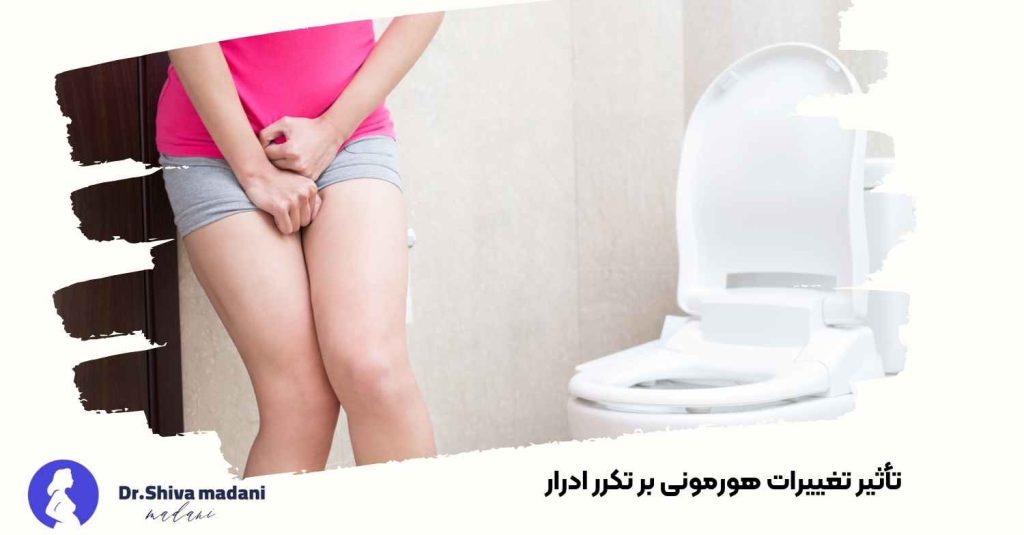
The effect of hormonal changes on urinary frequency
Changes in estrogen and progesterone levels during menstruation, pregnancy or menopause can affect bladder function. The decrease in estrogen causes the wall of the urinary tract to become thinner and more irritable. For this reason, women during menopause or after giving birth may experience more frequent urination.
Urine frequency during pregnancy; Cause and solution
During pregnancy, the growth of the fetus increases the pressure on the bladder and the pregnant mother has to urinate frequently. Also, the increase in progesterone hormone relaxes the muscles of the urethra. However, if the frequency of urination is accompanied by burning or fever, there is a possibility of urinary infection in pregnancy, which needs immediate investigation.
Relation between menopause and increased frequency of urination
After menopause, the decrease in estrogen level reduces the elasticity and moisture of the tissues of the urinary tract. As a result, the bladder becomes more irritable and the person feels the need to empty frequently. Treatment with local hormone therapy or use of vaginal moisturizers can improve these symptoms.
The role of stress and anxiety in urinary frequency
Stress and anxiety can affect the nervous system and cause overstimulation of the bladder. People with chronic stress often feel the need to urinate frequently, even when the bladder is not full. Breathing exercises and daily meditation help to control this type of frequent urination.
underlying diseases affecting urinary frequency (diabetes, thyroid, etc.)
Sometimes frequent urination is a symptom of a general disease in the body. In diabetes, an increase in blood sugar causes an increase in the volume of urine. Thyroid disorders or neurological diseases can also interfere with bladder control. In these cases, treating the underlying cause can resolve the frequency of urination.
Frequency of urination due to the use of drugs
Some drugs, such as diuretics, which are used to treat high blood pressure or edema, increase the frequency of urination. Also, sedatives and antidepressants may affect bladder function. If you experience frequent urination after starting medication, be sure to discuss the issue with your doctor so that the dose or type of medication can be changed if necessary.

weakness of pelvic floor muscles and urinary incontinence
One of the common causes of frequent urination and incontinence in women is weak pelvic floor muscles. These muscles play a key role in maintaining the bladder, uterus, and other pelvic organs, and any decrease in their strength can cause leakage of urine when sneezing, coughing, or laughing.
Multiple natural births, aging, obesity, or even long-term sitting are among the factors that weaken these muscles.
For prevention and treatment, Kegel exercises are the best known method. By repeatedly contracting and releasing the pelvic floor muscles, these exercises help to strengthen the supporting tissues and restore control over the flow of urine. Doing 5 to 10 minutes of Kegel exercises every day will significantly improve bladder control after a few weeks.
How does an overactive bladder cause frequent urination?
In a healthy bladder, the bladder wall sends the emptying message to the brain only when the volume of urine reaches a certain limit. But in Overactive Bladder, this message is activated even with a small amount of urine and causes an urgent and frequent feeling of urination.
Women who suffer from this condition are usually They complain of a sudden need to go to the bathroom, especially at night, and sometimes they lose urinary control.
Overactive bladder treatment is usually a combination of:
-
Modification of lifestyle (decrease consumption of caffeine and carbonated drinks)
-
Pelvic floor physiotherapy for muscle control training
-
If necessary, use of drugs that inhibit bladder contractions
The difference between urinary frequency and urinary incontinence
Although the two terms are sometimes used interchangeably, there is an important difference:
-
urinary frequency means going to the bathroom many times, without leaking urine.
-
Urinary incontinence means the involuntary release of urine, even without a person's will.
Incontinence is usually caused by weak pelvic floor muscles or sudden pressure on the bladder (such as sneezing, laughing, or physical activity). While the frequency of urination may be caused by urinary tract infection, anxiety or bladder nerve irritation.
Understanding the difference between these two conditions helps to choose the correct treatment.
Neurological causes and brain connection with bladder control
Urine control is a complex process that is carried out by the brain, spinal cord and pelvic nerve network. Any damage to this nerve pathway can cause disruption in brain and bladder coordination.
Diseases such as MS, stroke, Parkinson's or spinal cord injury are among the neurological causes of frequent urinary incontinence.
In these patients, the bladder may either become overactive (sudden and uncontrollable defecation), or, conversely, be unable to empty. Treatment in these cases requires the cooperation of several specialties, including urology, neurology and specialized physiotherapy.
The role of diet in increasing the frequency of urination
Improper nutrition can be one of the hidden reasons for frequent urination in women. Some foods irritate the bladder wall and increase the urge to urinate.
For better control of the bladder, the consumption of the following substances should be limited:
-
caffeine (coffee, strong tea, energy drinks)
-
hot and spicy foods
-
Fizzy drinks and acidic citrus fruits
-
alcohol and hot chocolate
In contrast, drinking plain water, soothing teas such as chamomile and nettle, and consuming low-acid fruits such as apples and pears can help soothe the bladder.
Foods and drinks that increase urination
Some foods have natural diuretic properties and if consumed in excess, they will cause frequent urination. Including:
-
Black and green tea
-
Coffee and cocoa
-
diet drinks
-
Citrus juice (especially orange and grapefruit)
Reducing the consumption of these substances, especially in the evening and at night, helps to reduce the frequent need to use the bathroom.
High consumption of caffeine and frequent urination
Caffeine increases bladder contractions by stimulating the central nervous system and reduces the ability to hold urine. Women who drink more than two cups of strong coffee or tea a day usually complain of increased urination frequency or mild incontinence.
The best way is to gradually reduce caffeine consumption so that the body can return to balance without a sudden shock.
Checking the frequency of urination at different ages (from youth to old age)
In youth: Urinary frequency is usually caused by stress, anxiety, or a urinary tract infection.
In middle age: Hormonal changes, pregnancies Frequent and prolapsed bladder are the main factors.
In old age: Decreased bladder elasticity, muscle weakness and decreased estrogen hormone secretion play a prominent role.
Every age group needs treatment according to their physical condition and lifestyle; From strengthening exercises and nutritional modification in youth to hormonal treatments and pelvic rehabilitation in older ages.

Frequency of urination during period, causes and ways of management
During menstruation, hormonal changes and increased secretion of prostaglandins can affect kidney and bladder function. These compounds increase renal blood flow and irritate the bladder wall, which is why many women experience frequent urination or an urgent need to urinate during their periods. To reduce this condition, it is recommended to drink water during this period. Drink coffee, avoid caffeine and stimulant drinks and avoid unnecessary bladder contractions by keeping your body relaxed.
Relationship of urinary frequency with uterine and vaginal problems
In the female body, the structural proximity of uterus, vagina and bladder makes any inflammation, infection or change in one of these areas affect the function of other organs.
For example, Uterine infection or prolapse can put mechanical pressure on the bladder and create a feeling of frequent urination. Also, inflammation or dryness of the vagina (especially during menopause) may stimulate the nerve receptors of the bladder.
An accurate diagnosis of the cause of this type of frequent urination is only possible with specialized examination by a gynecologist and additional tests.
Methods of medical diagnosis of urinary frequency in women
To identify the main cause of frequent urination, the doctor first takes a complete medical history from the patient and then performs a series of tests and investigations.
These steps may include the following:
-
Urinalysis to detect infection, sugar or protein
-
Blood test to check kidney function and blood sugar level
-
Ultrasound of the bladder and kidneys to evaluate the structure and complete emptying of the bladder
-
In some special cases, perform cystoscopy to look directly inside the bladder
These investigations help the doctor to determine whether the cause of urinary frequency is infection, hormonal disorder, uterine pressure or neurological problem.
As a result, accurate diagnosis will be the key to effective and targeted treatment.
Drug and non-drug treatments for urinary frequency
The treatment of frequent urination is different depending on the underlying cause.
-
If there is a urinary or bladder infection, the doctor will prescribe appropriate antibiotics.
-
In overactive bladder, antispasmodics or bladder muscle relaxants are prescribed.
-
In cases caused by hormonal changes (such as menopause), the use of creams or topical treatments containing estrogen can be effective.
Besides drug treatment, lifestyle modification, reducing the consumption of caffeine and carbonated drinks and performing pelvic floor exercises play a very important complementary role.
Pelvic floor muscle strengthening exercises (Kegel exercise)
Pelvic floor exercises or Kegel are one of the most effective home methods to control incontinence and urinary frequency in women. This exercise includes repeated contraction and release of the muscles around the vagina and anus, which strengthens the supporting tissues of the bladder and improves urinary control.
Doing these exercises daily and regularly (at least 5 minutes, three times a day) can produce impressive results in a few weeks.
home treatment of frequent urination in women
Besides medical treatments, there are also simple home methods to reduce the frequency of urination:
-
Drink 6 to 8 glasses of water a day to keep urine diluted
-
Avoid caffeine, soft drinks and spicy foods
-
Using anti-inflammatory teas such as chamomile, nettle and fennel
-
Keeping the body warm and emptying the bladder completely every time you urinate
These measures help reduce bladder irritation and prevent frequent infections.
The role of fluids and water consumption in urine control
Contrary to popular belief, Drinking enough water does not increase the frequency of urination; Rather, it prevents urine from thickening and bladder irritation.
When the body is dehydrated, urine becomes thicker and contains more salts and irritating compounds that cause an urgent feeling of emptying.
The best daily water intake for women is about 6 to 8 glasses, unless the doctor has prescribed a special limit for fluids.

Doctors' warning about self-medication in urinary frequency
Many women, facing urination frequency or burning during urination, take disinfectants or antibiotics without consulting a doctor. This type of self-medication without diagnosing the root cause can be dangerous.
Incorrect use of antibiotics may not only not completely eliminate the infection, but also cause bacterial resistance and a more severe return of the disease.
Doctors emphasize that any change in the pattern of urination, burning, or pain in the bladder area should be examined by a gynecologist or urologist to prevent more serious complications.
When to see a doctor to check the cause of excessive urination
If frequent urination is accompanied by the following symptoms, it is necessary to see a doctor immediately:
-
Presence of pain or burning during urination
-
fever or chills (possible sign of kidney infection)
-
Observation of blood in urine (hematuria)
-
Feeling abnormal thirst or sudden weight loss
-
Swelling of legs or excessive fatigue
These symptoms may be a sign of more serious problems such as uncontrolled diabetes, kidney infection, or cystitis, and delaying treatment can be dangerous. Early diagnosis is the key to effective treatment and quick return to normal health.
Prevention of urinary frequency by lifestyle modification
Prevention is always better than cure. By following a few simple tips in your lifestyle, you can largely prevent the recurrence of urinary tract infections:
-
Avoid holding urine for a long time. Regular emptying of the bladder prevents the growth of bacteria.
-
keep the body weight within a healthy range; Obesity puts pressure on the bladder and pelvic floor.
-
Perform pelvic floor exercises (Kegel) daily to strengthen urinary control.
-
Reduce caffeine, alcohol, carbonated drinks and spicy foods.
-
Wear cotton and loose underwear and observe the hygiene of the genital area carefully.
-
Do not forget to drink enough water (6 to 8 glasses a day); Dehydration causes bladder irritation.
These simple, but continuous actions will significantly help the health of the bladder and reduce the frequency of urination.
Final conclusion and doctor's recommendation for women's urinary health
Urine frequency in women is a sign that should not be ignored. In many cases, the cause is simple and treatable; But sometimes it can be an alarm for hidden diseases such as diabetes, hormonal disorders or kidney infection.
With timely diagnosis, lifestyle changes and compliance with medical recommendations, this problem can be prevented from recurring. prevented.
The female body is a smart and sensitive system that works best if it has hormonal balance, healthy nutrition and attention to internal signs.
Therefore, every sign is an opportunity for awareness, care and maintenance of overall body health know; چراکه سلامت مثانه و دستگاه ادراری، یکی از پایههای اصلی سلامت زنان است.



![Complications of laser labiaplasty [swelling, bleeding] | Dr. Shiva Madani](/storage/https://drshivamadani.com/wp-content/uploads/2025/05/امیر-حسین-بشاش.jpg)
![The age of labiaplasty[the most important points you should know?]|Dr. Madani](/storage/https://drshivamadani.com/wp-content/uploads/2025/10/5-17.jpg)

![The best pill for ovarian laziness[quick treatment]|Dr. Shiva Madani](/storage/https://drshivamadani.com/wp-content/uploads/2025/10/5-13.jpg)
![Symptoms of ovarian laziness in girls[best method]|Dr. Shiva Madani](/storage/https://drshivamadani.com/wp-content/uploads/2025/10/5-15.jpg)
![Does labiaplasty hurt? [Answers to common questions of patients]](/storage/https://drshivamadani.com/wp-content/uploads/2025/05/امیر-حسین-بشاش-4.jpg)
![How dangerous is uterine prolapse? [The latest tips] | Dr. Shiva Madani](/storage/https://drshivamadani.com/wp-content/uploads/2025/10/5.jpg)
![The cause of period pain on the first day [pain reduction methods]](/storage/https://drshivamadani.com/wp-content/uploads/2025/05/امیر-حسین-بشاش-5.jpg)



